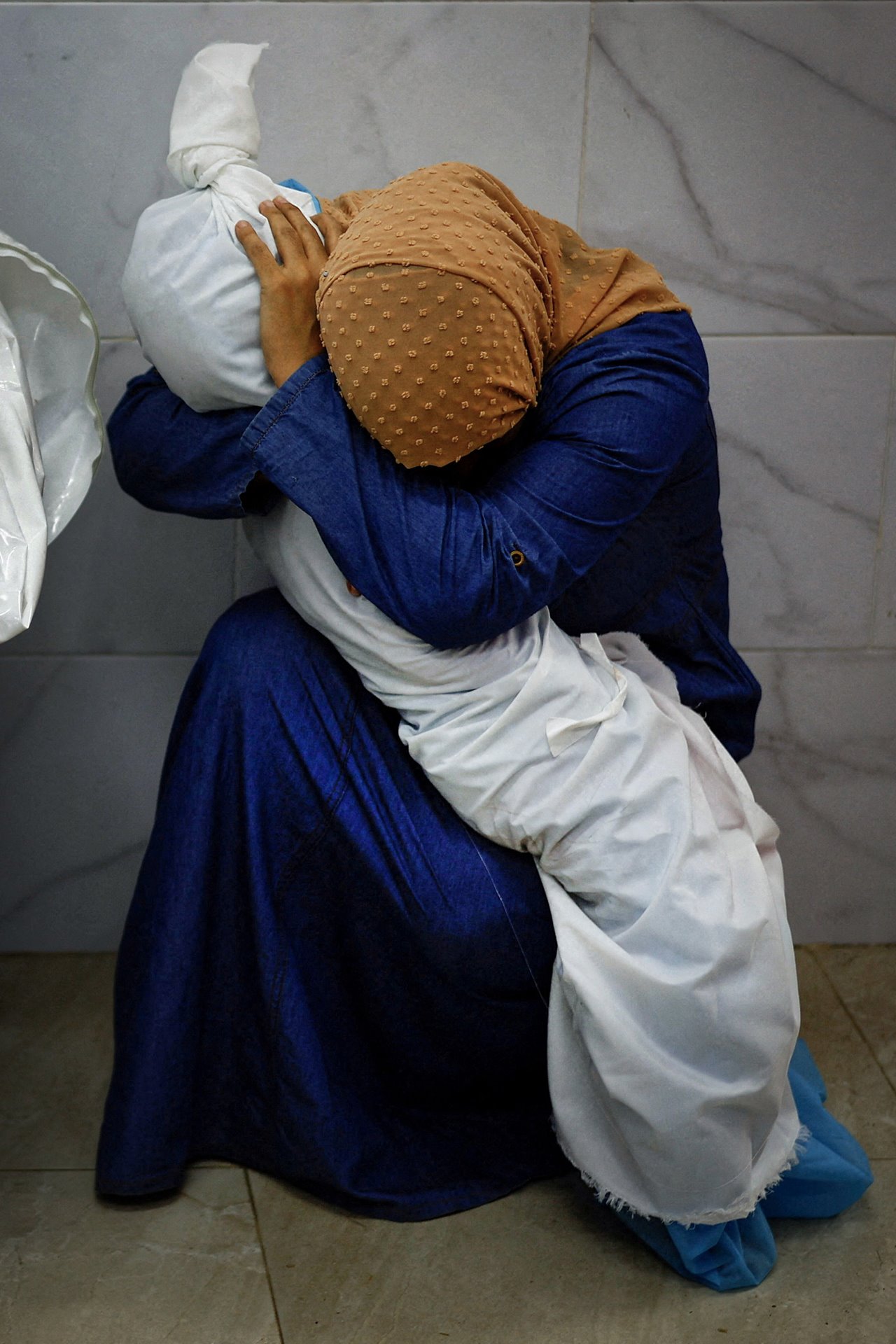
Jori Al-Areer was a child with cancer. In any other circumstance — in any hospital with electricity, clean water, and functioning supply chains — her condition would have been treatable. Childhood cancers, caught early and managed with standard chemotherapy protocols, have survival rates that would have given Jori a fighting chance. But Jori was in Gaza in 2024, and in Gaza in 2024, treatable meant terminal.
Her story reached international media through Reuters photographers documenting the famine crisis in Khan Younis. The images showed a small girl, visibly wasted from both disease and malnutrition, awaiting a medical transfer that required crossing borders that had been sealed. Jori needed chemotherapy drugs that Gaza's destroyed health system could no longer provide. She needed nutrition that the blockade had made unavailable. She needed evacuation that the closure of the Rafah crossing had made impossible.
The siege of Gaza created a medical catastrophe that extended far beyond blast injuries. Patients with chronic conditions — cancer, diabetes, kidney failure — found themselves cut off from the treatments keeping them alive. The World Health Organization reported that by mid-2024, the majority of Gaza's hospitals were either destroyed or operating at minimal capacity. Chemotherapy, dialysis, and surgical interventions ceased or became sporadic.
For Jori's family, each day was a negotiation with systems that had collapsed. They moved between displacement sites and whatever medical facilities remained partially operational, carrying her from place to place in a territory where movement itself was dangerous. The cancer did not pause for the war. The malnutrition accelerated its course.
International medical organisations flagged Jori's case as representative of a broader crisis: hundreds of cancer patients, including children, stranded without treatment in a besieged territory. Calls for medical corridors went largely unanswered. The bureaucracy of evacuation — permits, coordination, transport through active combat zones — moved at a pace that biology could not match.
Jori Al-Areer's name appears in the records of what public health experts have called a slow-motion mass casualty event: the predictable, preventable deaths of patients whose conditions required nothing more than the continuation of care that the war made impossible.