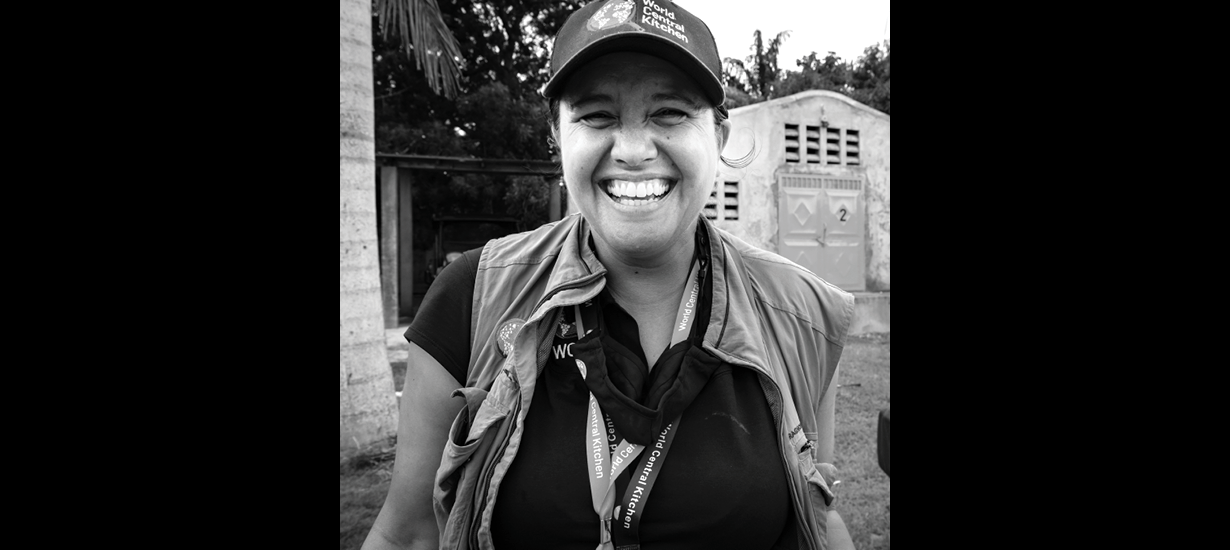
Lalzawmi Frankcom — known to everyone as Zomi — was forty-three years old and had spent most of her adult life in the places where hunger met conflict. Born in Melbourne, Australia, to parents of Mizo heritage from northeast India, she joined World Central Kitchen in its early years and rose to become one of its most experienced field operatives. She had worked in disaster zones across the world: Ukraine, Turkey, Morocco, the Bahamas. She was, by all accounts, the person you sent when the situation was most dangerous and the need most urgent.
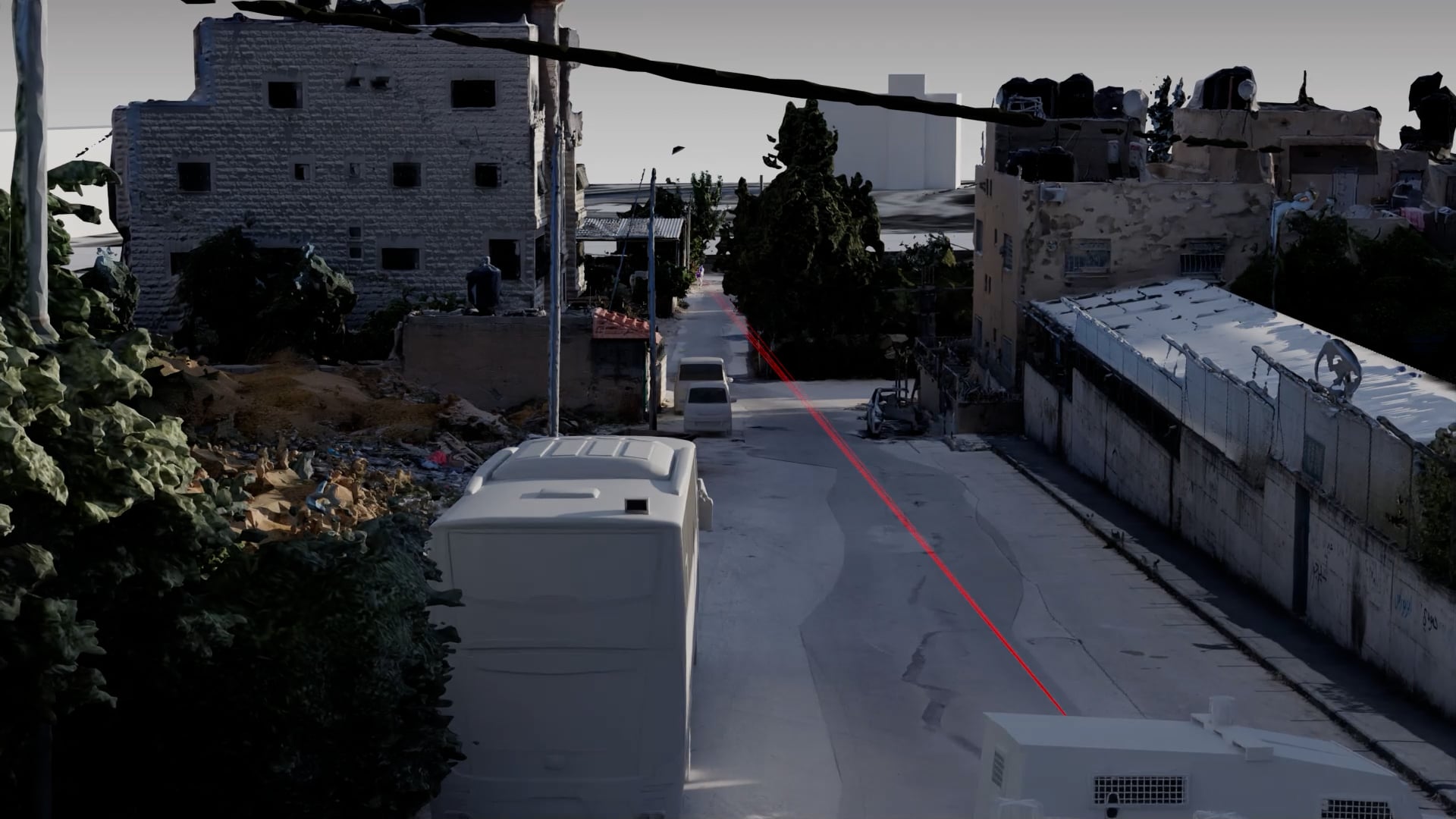
On 1 April 2024, Zomi was part of a three-vehicle World Central Kitchen convoy travelling along a coastal road in Deir al-Balah, Gaza, after delivering 100 tonnes of food aid. The vehicles were clearly marked with the WCK logo. Their coordinates had been shared with the Israeli military through the established deconfliction process — the system designed to protect humanitarian workers by notifying military forces of aid convoy movements.
The Israeli military struck the convoy three times. The first missile hit one vehicle. Survivors moved to a second vehicle. That vehicle was struck. The remaining survivors moved to a third vehicle. That vehicle was struck as well. The pattern — three sequential strikes on a deconflicted convoy — indicated to military analysts that the targeting was deliberate and methodical.
Zomi was killed alongside six colleagues: Saifeddin Abutaha, Damian Soból, Jacob Flickinger, James Henderson, James Kirby, and John Chapman. The dead included citizens of Australia, Poland, the United Kingdom, the United States, Canada, and Palestine. Their nationalities would prove significant — the killing of Western aid workers triggered international diplomatic responses that the deaths of Palestinian civilians had not.
José Andrés, the founder of World Central Kitchen, publicly accused the Israeli military of systematically targeting the convoy and called for an independent investigation. Israel initially claimed the strike was a 'grave mistake' and dismissed two officers. Independent analyses by multiple news organisations, using satellite imagery and timeline reconstruction, questioned this characterisation.
Zomi Frankcom had travelled to Gaza knowing the risks. Her final messages to colleagues described the situation as the worst she had seen in her career. She went anyway, because there were people who needed feeding and she had the skills to help feed them. Her death, and the deaths of her colleagues, demonstrated that in Gaza, even the most visible and coordinated humanitarian operations offered no protection.