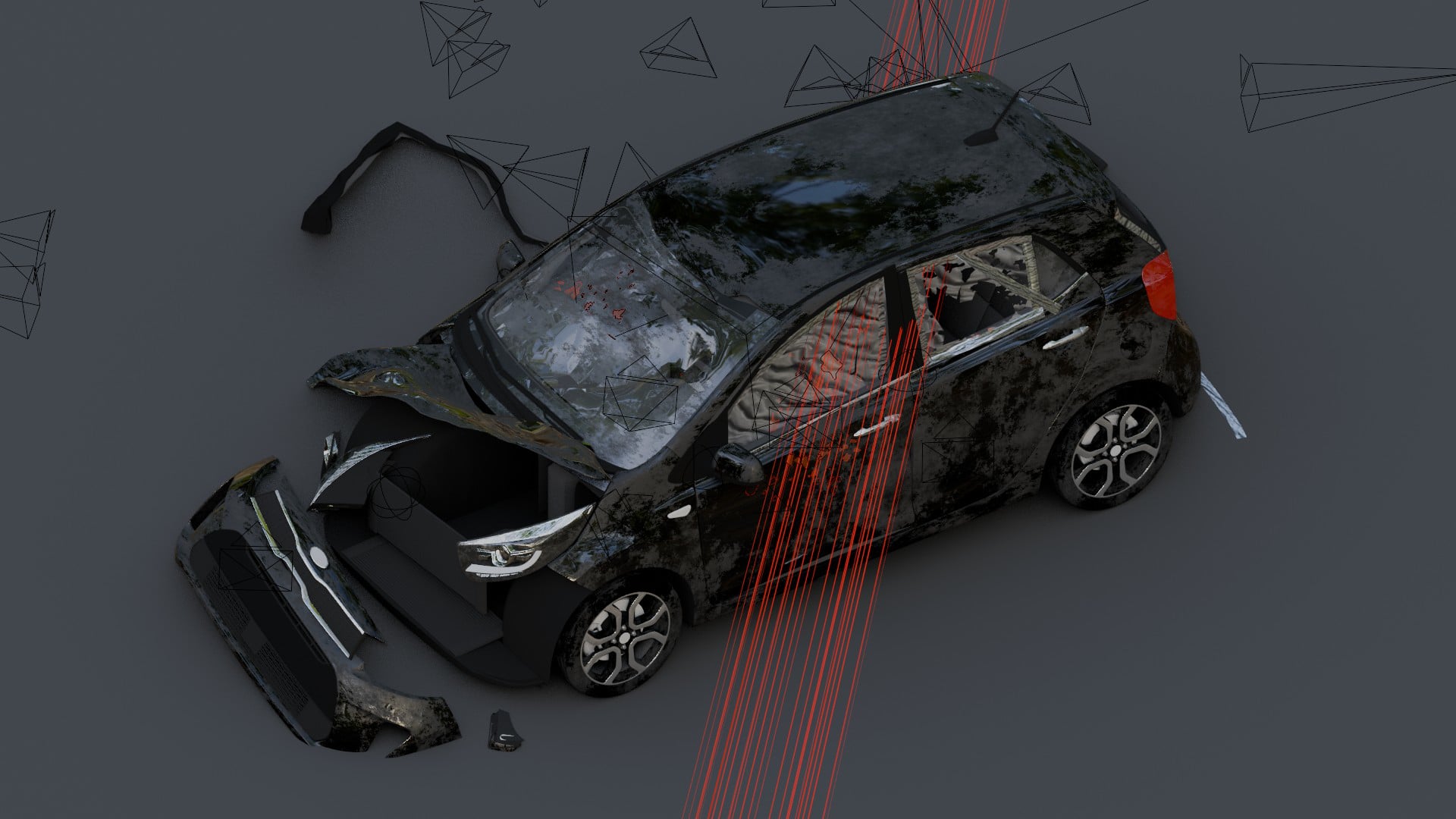
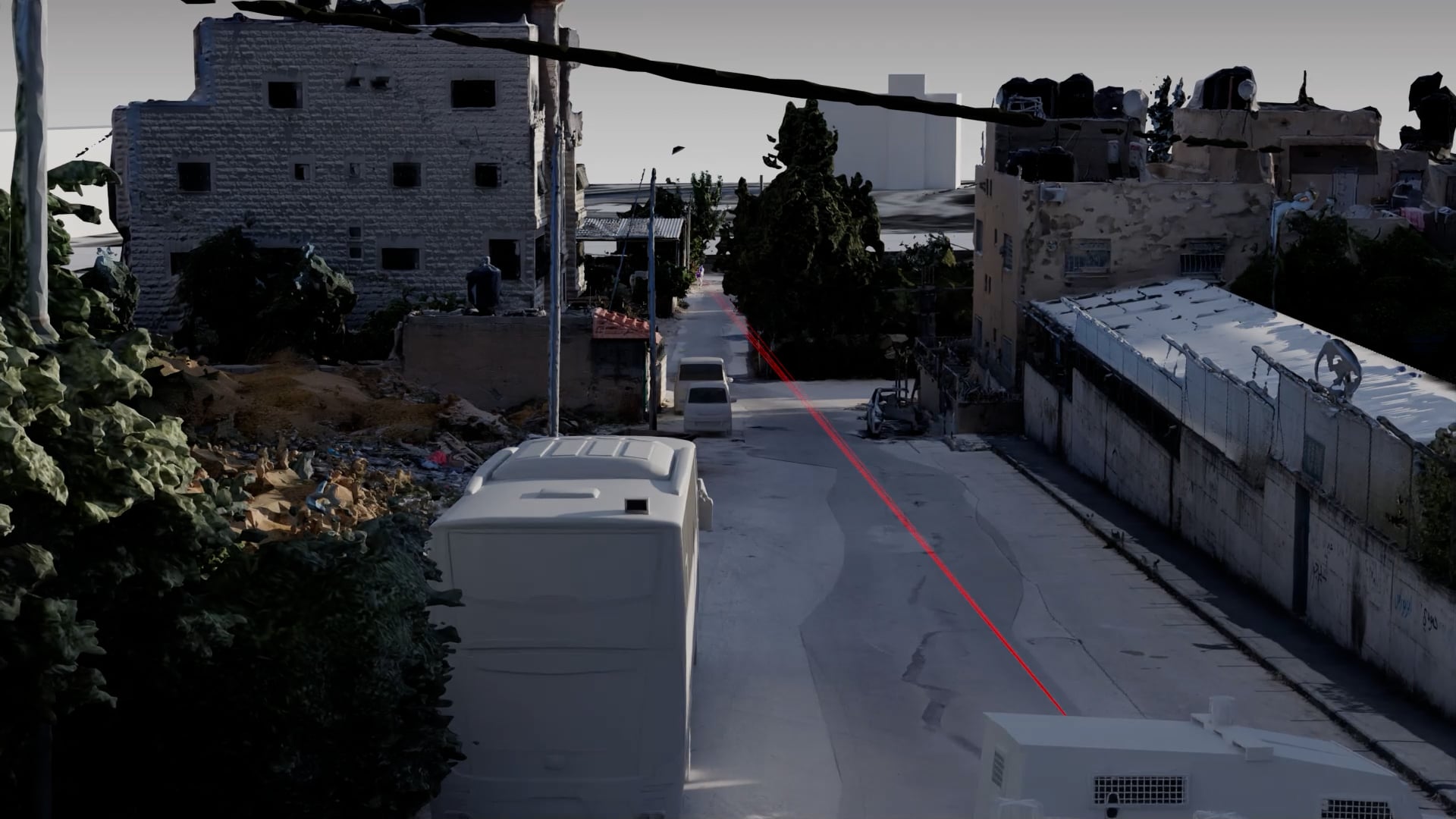
On the evening of 29 January 2024, six-year-old Hind Rajab was trapped inside a black sedan on the Fares road in Tel al-Hawa, southern Gaza City. Around her sat the bodies of family members who had been killed moments earlier. For three hours, she spoke by phone to Palestine Red Crescent dispatchers, her small voice alternating between whispered pleas and terrified silence.
The recordings of those calls would become among the most widely heard audio of the entire war. Hind asked when help was coming. She said she was scared. She said it was dark.
An ambulance crew — Yusuf al-Zeino and Ahmed al-Madhoun — was dispatched to reach her. They, too, were killed. Their bodies and the destroyed ambulance were found twelve days later, on 10 February, alongside the car carrying Hind.
For many around the world, Hind's case crystallised something that statistics alone could not convey: the particular vulnerability of children caught in zones where no corridor of safety exists, where rescue itself becomes fatal. Her name was invoked in the UN General Assembly, in the European Parliament, and in protests on every continent. The International Court of Justice heard her story cited in proceedings.
She was six years old. She wanted someone to come and get her. Nobody could.