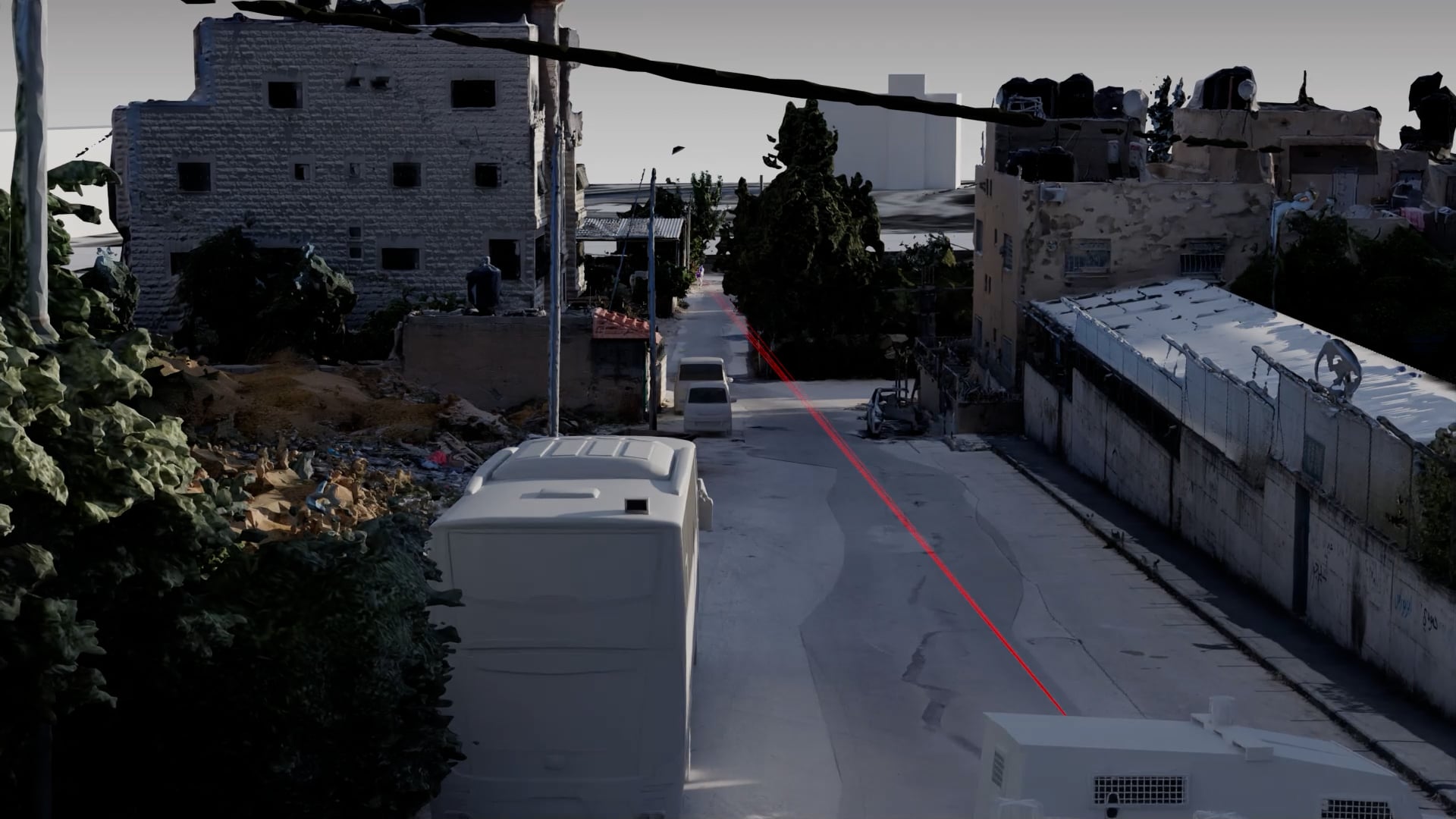
The Palestine Red Crescent Society operates under the emblem of international humanitarian law. Its vehicles are marked. Its coordinates are shared. Its personnel wear identification. These are the protocols that are supposed to make rescue possible in war — the agreement, older than any of us, that those who come to help the wounded are not targets.
In March 2025, a Red Crescent team deployed on an aid mission in southern Gaza went missing. When their bodies were recovered, the circumstances surrounding their deaths prompted immediate international condemnation. Eight medics and rescue workers were found dead.
The funeral images — colleagues carrying colleagues — circulated globally. The Red Crescent's own communications documented the loss with a grief that was also an accusation: these were people who had answered the call. They had driven towards the danger, not away from it.
The case reignited debates about the protection of medical personnel in conflict zones. Under the Geneva Conventions, attacks on clearly identified medical units constitute war crimes. The Red Crescent stated unequivocally that their teams had been operating under proper deconfliction coordination.
What the deaths represent, beyond the individual tragedies, is the collapse of a principle. If the people who come to save you can themselves be killed with impunity, then the entire architecture of humanitarian response — the ambulances, the field hospitals, the rescue corridors — becomes a fiction.
These medics ran towards the worst of it. Their names should be remembered for that.