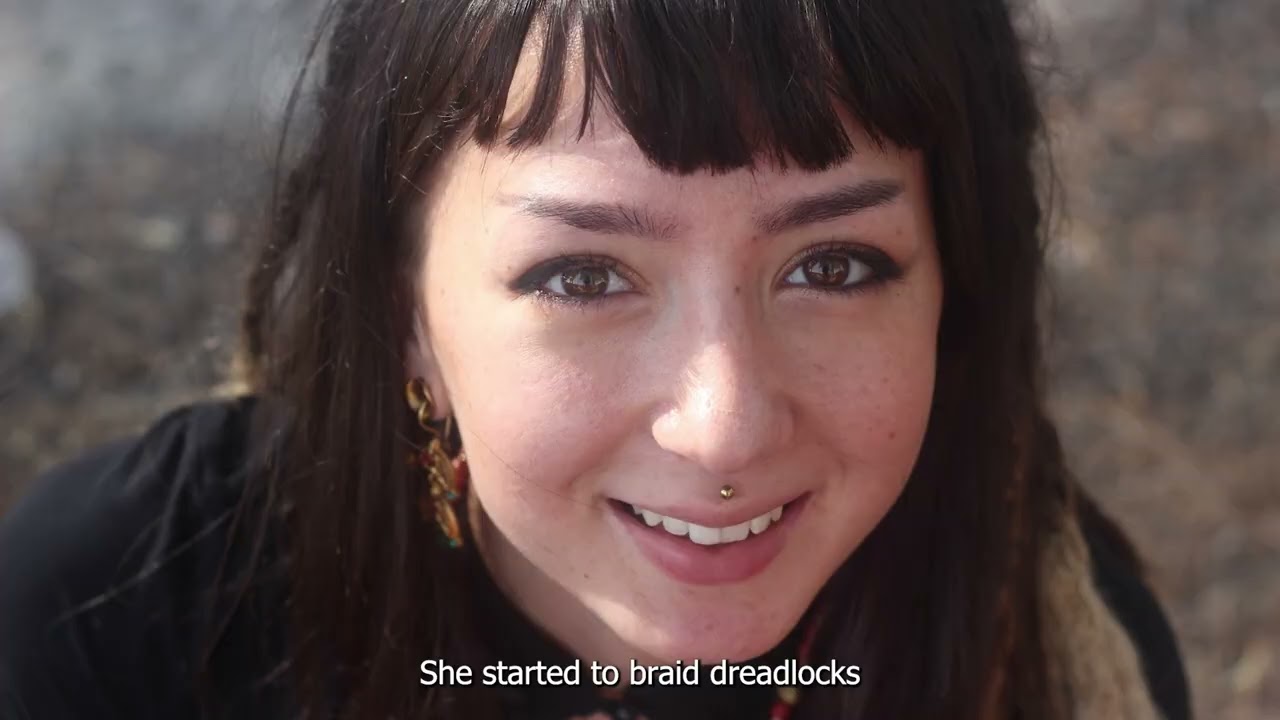
Shani Nicole Louk was twenty-three years old, German-Israeli, and a tattoo artist with a passion for music and travel. She had gone to the Nova festival on the morning of October 7 to dance with friends. By that afternoon, her image — face-down on the flatbed of a pickup truck being driven through Gaza, surrounded by militants — had been seen by millions.
The footage of Shani was among the first images from October 7 to reach the global public, spread through social media in the chaotic hours before the scale of the attack was fully understood. Her mother, Ricarda Louk, identified her daughter from the video by her distinctive dreadlocks and tattoos. The family released a statement pleading for information. For weeks, they clung to the hope that Shani had survived and was being held as a hostage.
On 30 October 2023, the Israeli military confirmed that Shani was dead. A fragment of her skull had been recovered near the Gaza border. The forensic determination ended a month of agonising uncertainty for her family and transformed their campaign from one of rescue to one of recovery.
Shani had been born in Germany and held dual citizenship. She divided her time between Israel and Berlin, where she had built a life as an artist. Friends described her as free-spirited, creative, and deeply connected to both her Israeli and German identities. Her Instagram, viewed by millions after her death, showed a young woman living fully — travelling, creating art, attending festivals.
The manner of her death and the desecration of her body became central to the narrative of October 7 as it was understood internationally. The images were used — and, critics argued, instrumentalised — in the diplomatic and media campaigns that followed. Shani's family navigated this public dimension of their grief with a dignity that drew widespread respect.
In Germany, her death provoked a profound national reckoning. Vigils were held in Berlin and across the country. The German government cited her case in its diplomatic response. For many Germans, Shani's dual identity — young, creative, European, attending a peace-oriented music festival — made the violence of October 7 feel close in a way that geographically distant conflicts rarely do.
Shani Louk went to a music festival and never came home. The ordinariness of that beginning, set against the extremity of what followed, is what makes her story so difficult to hold. She was not a combatant, not a political figure, not a symbol. She was a twenty-three-year-old who wanted to dance.