.jpg)
Shireen Abu Akleh spent twenty-five years reporting from Palestine for Al Jazeera. She was not a newcomer. She was not reckless. She was one of the most recognised and trusted journalists in the Arab world — a face that millions associated with the lived reality of occupation.
On the morning of 11 May 2022, she was reporting on an Israeli military raid in the Jenin refugee camp in the West Bank. She wore a press vest. She wore a helmet. She was standing with other journalists, all of them clearly identified.
She was shot in the head. She died shortly after.
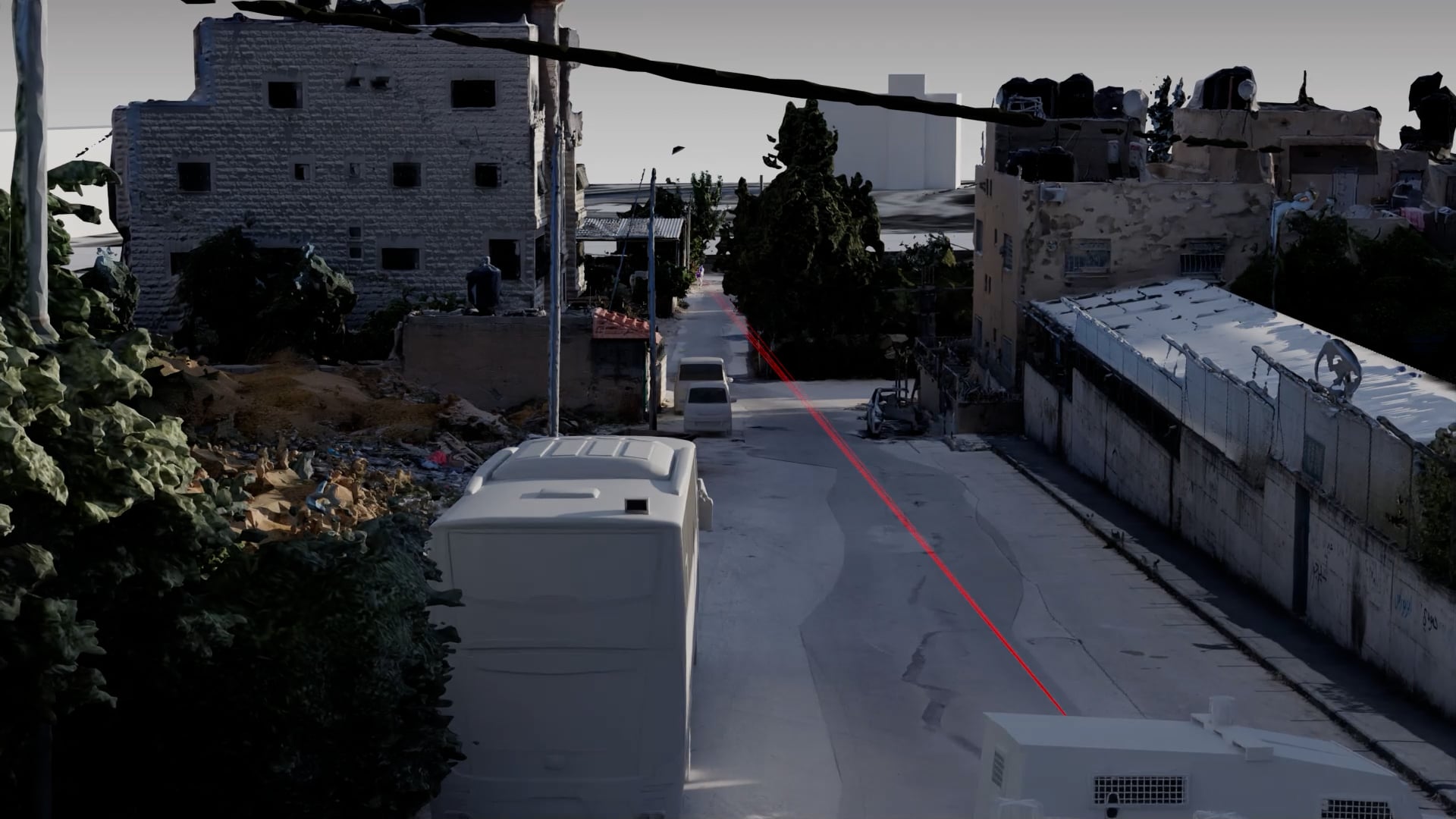
Multiple independent investigations — by the United Nations, by a consortium of media organisations, by witnesses on the ground — concluded that the bullet came from an Israeli military position. The Israeli military initially suggested Palestinian gunfire was responsible, then later acknowledged it was 'highly possible' she was killed by Israeli fire, while maintaining it was unintentional.
Shireen was a Palestinian-American. She held US citizenship. Her killing prompted a direct response from Washington, though many — including her family — argued that the accountability demanded of any investigation into the death of an American citizen was never fully delivered.
Her funeral in Jerusalem became its own confrontation, when Israeli police charged pallbearers carrying her coffin, nearly causing it to fall — images that were broadcast globally and that crystallised, for many viewers, the totality of what she had spent her career documenting.
Shireen Abu Akleh's death is not just the story of one journalist. It is the story of what happens when the people whose job it is to witness are themselves silenced.