The Arms Trade Behind the Headlines
How weapons manufacturers profit from the Palestine-Israel conflict — and why following the money reveals uncomfortable truths about international complicity.
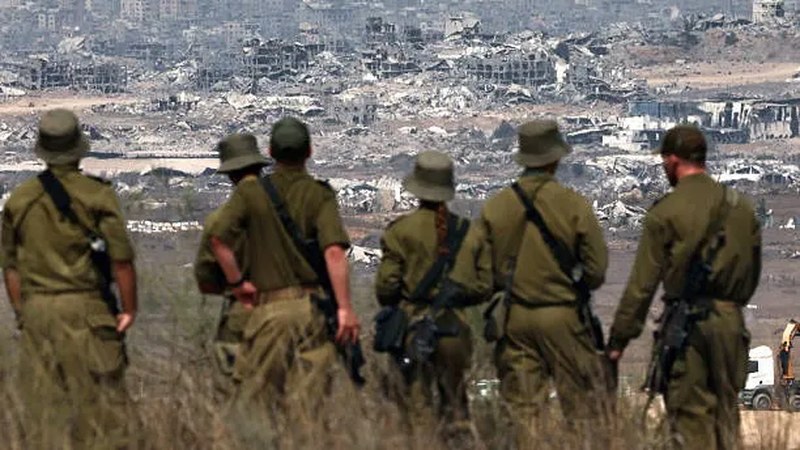
The global arms trade is a vast and complex web of manufacturers, brokers, governments, and end users. At its centre sits a paradox that is rarely discussed in mainstream coverage of the Palestine-Israel conflict: the very weapons causing devastation are produced by companies that enjoy significant political influence in the nations calling for peace.
An analysis of arms export licences reveals a striking pattern. Major Western democracies — the United States, the United Kingdom, Germany, France, and Italy among them — have approved billions of dollars worth of military equipment destined for use in the conflict. These are not abstract transactions. They are specific contracts for specific weapons systems: precision-guided munitions, fighter jet components, surveillance technology, and ammunition.
The financial scale is staggering. According to the Stockholm International Peace Research Institute (SIPRI), arms sales to the Middle East have increased markedly over the past decade, with the region now accounting for the largest share of global arms imports. Defence contractors have reported record revenues, with share prices climbing in direct correlation with escalations in hostilities.
"Following the money reveals uncomfortable connections. Lobbying records show that major defence firms spend tens of millions annually on political advocacy."
Following the money reveals uncomfortable connections. Lobbying records show that major defence firms spend tens of millions annually on political advocacy. Campaign contributions flow to legislators on key committees overseeing arms export policy. Former military officials rotate through corporate boards and consulting roles, creating a revolving door between government and industry that critics argue undermines genuine accountability.
The legal framework governing arms sales is, in theory, robust. International humanitarian law, the Arms Trade Treaty, and national export control regulations all contain provisions designed to prevent weapons from being used to commit human rights violations. In practice, enforcement is inconsistent at best. Export licences are approved with conditions that are difficult to verify, and the end-use monitoring systems that exist are widely regarded as inadequate.
Several European courts have begun to challenge the status quo. Legal actions in the Netherlands, Belgium, and the United Kingdom have sought to halt specific arms shipments on the grounds that they risk facilitating violations of international humanitarian law. Some of these challenges have succeeded, resulting in temporary suspensions of export licences. But the overall flow of weapons continues largely unimpeded.
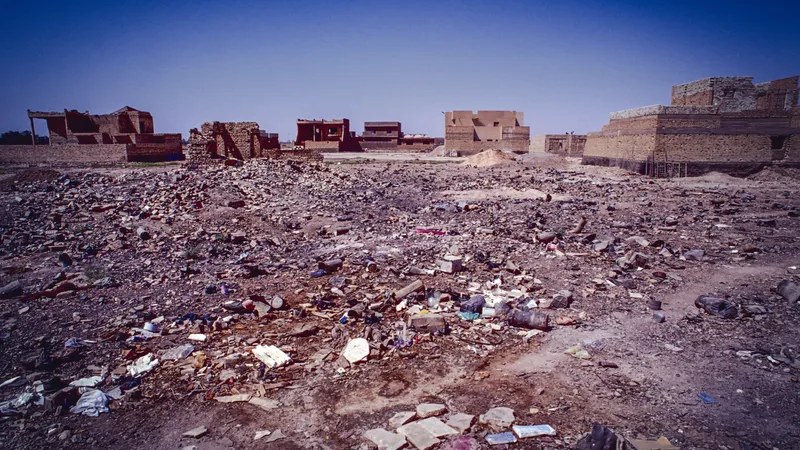
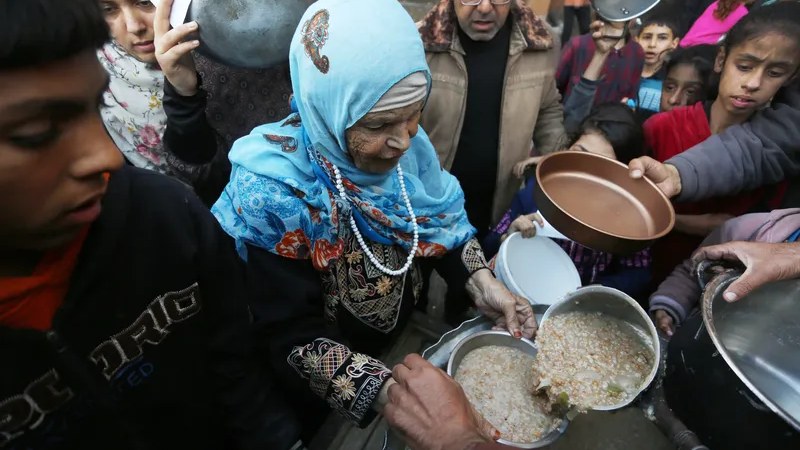
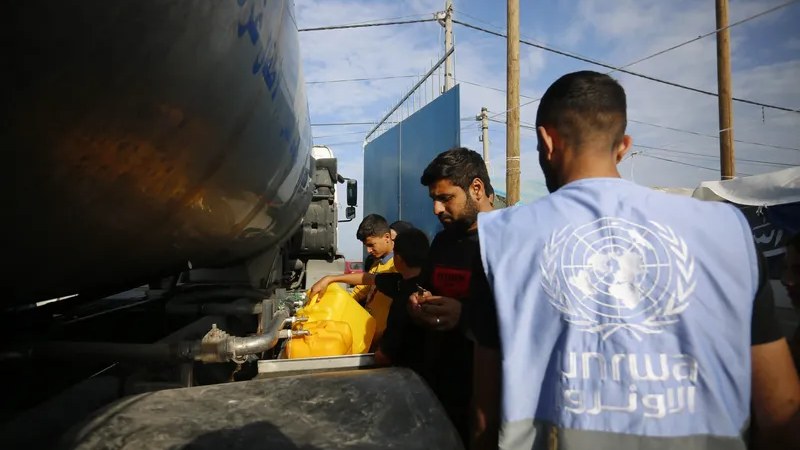
The human cost is measured not just in casualties but in the destruction of civilian infrastructure — hospitals, schools, water treatment facilities — that makes recovery exponentially more difficult even when hostilities pause. Each destroyed building represents not only the weapon that struck it but the entire supply chain that produced, sold, shipped, and deployed that weapon.
Investigative journalists and researchers have begun mapping these supply chains in unprecedented detail, tracing individual munitions fragments found at strike sites back to specific factories and specific contracts. This forensic approach is producing evidence that may eventually reshape the legal and political landscape around arms exports.
For communities living under bombardment, the provenance of the weapons falling on them is not an academic question. It is a matter of accountability. If the international legal framework governing arms sales were enforced as written, the trajectory of this conflict might look very different. The gap between the law as written and the law as applied is where the arms trade thrives — and where the search for accountability must focus.