Gaza's Children: The Hidden Cost of Conflict
A devastating investigation into how the ongoing conflict has impacted an entire generation of children in Gaza, with testimonies from doctors and aid workers on the ground.
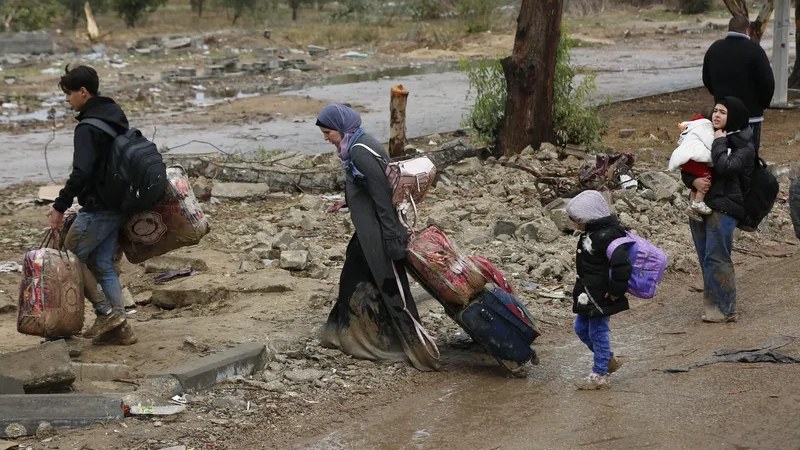
The streets of Gaza tell a story that statistics alone cannot capture. Behind every number in the mounting casualty reports, there are children — millions of them — whose lives have been irrevocably altered by a conflict they did not choose and cannot escape.
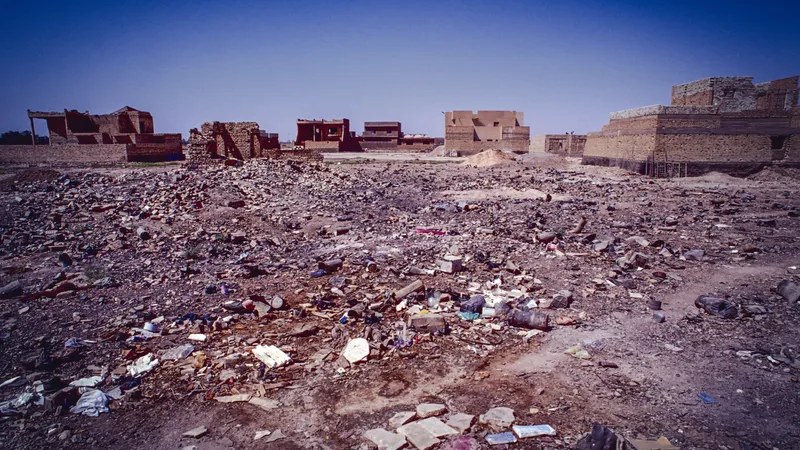
According to UNICEF, more than one million children in Gaza have been directly affected by the ongoing hostilities. Many have been displaced multiple times, moving from one temporary shelter to another, carrying whatever belongings they can in plastic bags. Schools have become shelters. Playgrounds have become rubble. The everyday rhythms of childhood — homework, football in the street, bedtime stories — have been replaced by the sound of airstrikes and the anxiety of not knowing what comes next.
Dr. Amira Hassan, a paediatrician working in Gaza City, describes what she sees daily. Children arriving at overcrowded hospitals with injuries that would challenge the best-equipped trauma centres in the world, let alone facilities running short on anaesthesia and antibiotics. But it is the psychological wounds, she says, that may prove the most enduring. Many children have stopped speaking. Others cannot sleep without waking in terror.
"Aid workers describe a generation being shaped by trauma on a scale rarely seen in modern conflict. The World Health Organization has warned that the mental health impact on Gaza's youngest residents will persist for decades, even if hostilities end tomorrow."
Aid workers describe a generation being shaped by trauma on a scale rarely seen in modern conflict. The World Health Organization has warned that the mental health impact on Gaza's youngest residents will persist for decades, even if hostilities end tomorrow. Post-traumatic stress disorder, depression, and anxiety are becoming the norm rather than the exception among children who have witnessed destruction of their homes and the loss of family members.
Education has been devastated. The United Nations estimates that over 600,000 children have had their schooling disrupted, with many facilities damaged or destroyed. Teachers who remain are doing their best to maintain some semblance of normalcy, holding informal classes in tents and shelters. But resources are scarce, and the psychological toll on educators is immense.
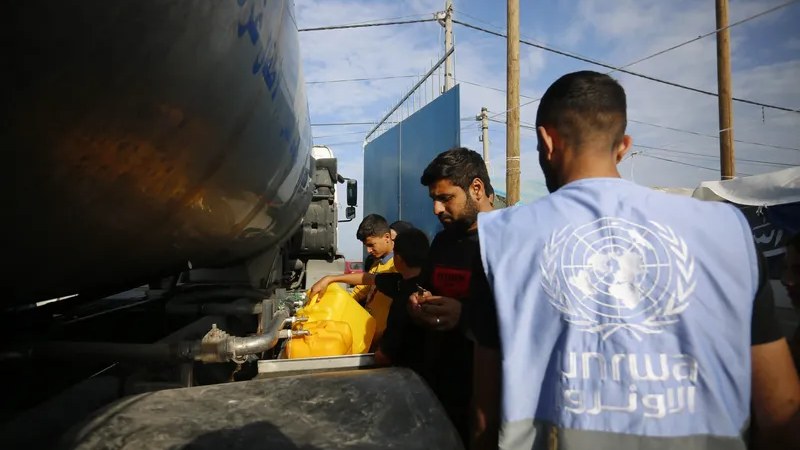
The international community's response has drawn sharp criticism from humanitarian organisations. While aid pledges have been made, delivery remains fraught with difficulty. Border crossings operate intermittently, and the logistics of distributing food, medicine, and supplies to those who need them most are complicated by ongoing military operations.
Perhaps most troubling is the long-term trajectory. Child development experts warn that prolonged exposure to conflict during critical developmental windows can alter brain architecture, affecting everything from cognitive function to emotional regulation. A generation of children growing up under these conditions may face lifelong challenges — challenges that will shape the region's future for decades to come.
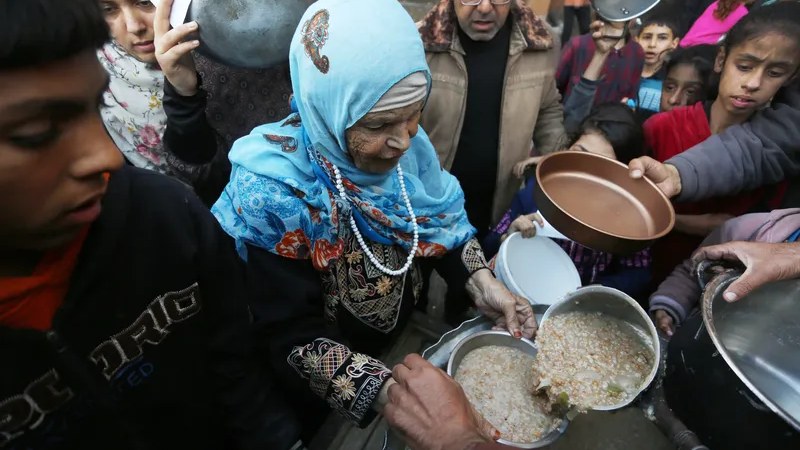
For the families of Gaza, the calculations are brutally simple. Each day is about survival: finding clean water, securing food, keeping children safe. The broader political questions — of sovereignty, of statehood, of international law — feel distant when your primary concern is whether your child will make it through the night.
What is clear, from every account emerging from the territory, is that the cost of this conflict is being borne disproportionately by those least responsible for it. The children of Gaza are not combatants. They are not decision-makers. They are children, and their suffering demands not just attention, but action.