Afaq آفاق
Tujah Afaq — Toward Horizons
A civic imagination platform where the Palestinian people design their own future — collectively, transparently, measured by healing instead of GDP. The greatest country ever conceived, built not on debt but on knowledge.
Companion to Episode 5: The Future — outlives the documentary as an independent platform.
Enter the Ecology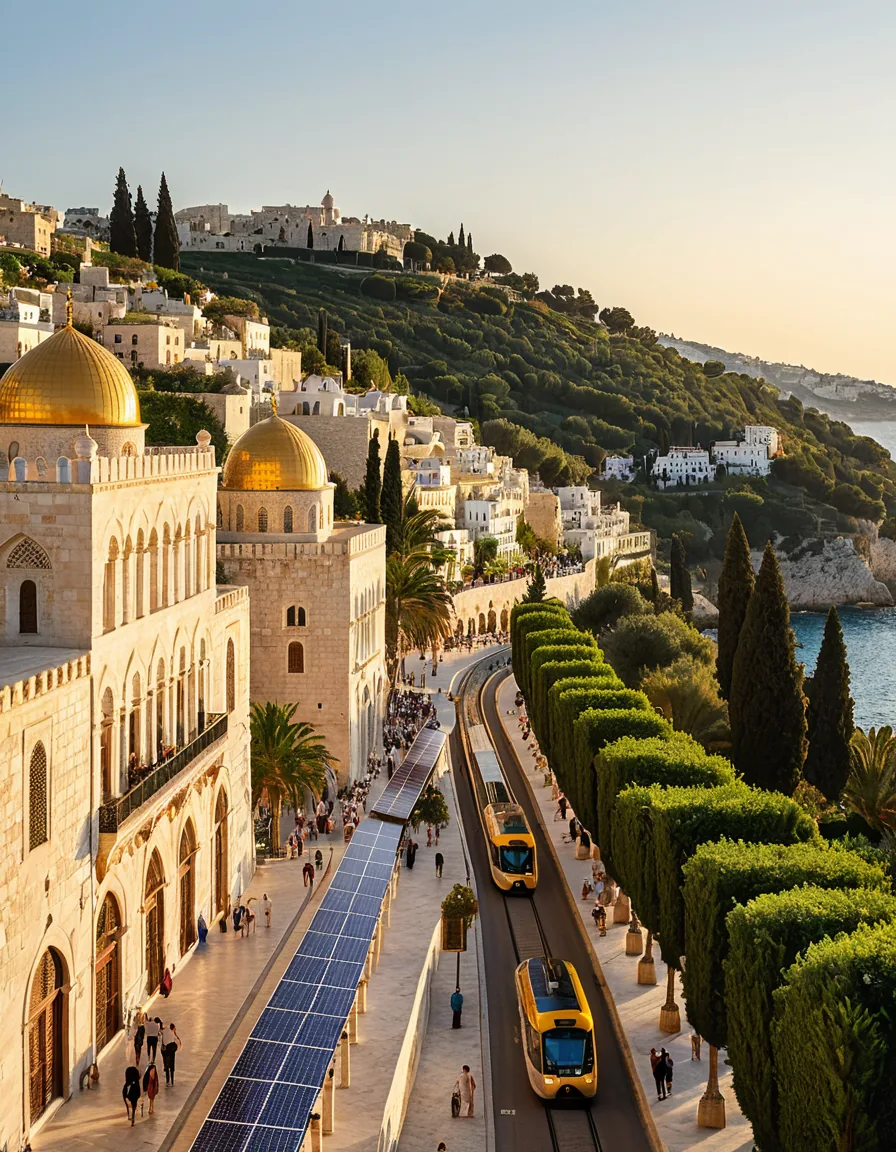
Afaq
Civic Imagination
Two futures. One choice.
Every post-conflict reconstruction in modern history has followed the same script. Foreign powers arrive with loans, conditions, and contracts. They rebuild a country in their image — indebted, dependent, compliant. The people who suffered most get the least say. Iraq. Haiti. Libya. The pattern is so consistent it cannot be accidental.
On one side: the future being built for Palestinians — by the IMF, World Bank, BlackRock, and the unnamed forces already posturing to shape reconstruction. On the other: the future Palestinians build for themselves. Not a reaction to the first model. Something that has never existed — a country designed from a blank canvas by collective intelligence.
The gap between those two futures — visible at all times, across every domain — is the most devastating argument this platform makes. No rhetoric needed. The numbers speak.
The Promise
"Rebuilding." "Development." "Aid." "Partnership." The language of reconstruction is clean, corporate, reassuring. It speaks of shared goals and mutual benefit. It promises a new beginning.
These are the words the international community will use when the guns fall silent. They have used them before.
The Players
Behind the language: the institutions. Not a conspiracy — a documented network of financial relationships, lending conditions, and historical positions. All public. All traceable.
IMF
Conditional lending
Structural adjustment
World Bank
Development loans
Project conditions
BlackRock
$10T asset management
Investment flows
WEF
Policy coordination
Reconstruction agenda
G7 States
Bilateral aid
Strategic alignment
Gulf States
Capital injection
Geopolitical positioning
EBRD
Infrastructure finance
Reform conditions
KBR / Halliburton
Contract execution
Iraq precedent
The Pattern
The same actors. The same lending conditions. The same outcomes. Three countries, one pattern, one conclusion.
Massive corruption, infrastructure still failing. Reconstruction as occupation by contract. The money flowed in — and back out to foreign contractors.
The "Republic of NGOs." International aid overwhelmingly benefited foreign contractors. Haitians were recipients, not participants. Still rebuilding.
Regime change followed by competing foreign interests. No coherent country emerged because the reconstruction served external actors.
This isn't about bad actors within a good system. The system is the mechanism of continued control.
The pattern repeats
Unless—
What if they don't get to decide?
What if the people who survived have the loudest voice in what comes next? What if a country could be designed from a blank canvas — not by lenders, not by occupiers, but by collective imagination?
That's what the rest of this page is for. ↓
Four Layers
A living cycle — not a hierarchy. Each layer feeds the others.
The Reckoning
المحاسبةForensic power-mapping of who controls Palestinian reconstruction. IMF, World Bank, BlackRock — the same actors, the same lending conditions, the same outcomes. Iraq. Haiti. Libya. The pattern laid bare.
The Optimal
الأمثلA voting system that only presents genuinely good options. No lesser evils. The collective decides which good path resonates most — and the country model reshapes itself in response.
The Imagination
الخيالA space for collective dreaming at the scale of a nation. Utopian cities, governance schematics, ecological blueprints — anyone can propose, visualise, and share their vision of what Palestine could become.
The Mechanics
الآلياتA governance architecture where corruption is not fought but structurally impossible. Total traceability, open-ledger resource allocation, and transparency that is structural — not aspirational.
The Healing Index
Inspired by Bhutan's Gross National Happiness — measuring what actually matters
Trauma Recovery
Cultural Restoration
Community Reconnection
Ecological Regeneration
Indigenous Education
Collective Wellbeing
Transparent Governance
Time Sovereignty
Living Standards
The IMF measures reconstruction by debt repayment schedules and investor returns. We measure it by healing, cultural restoration, ecological regeneration, and time sovereignty. The gap between those two frameworks — visible at all times — is the argument.
The Imagination
What Palestine could become — designed from first principles, not inherited assumptions
Heritage meets innovation — solar transit weaving through restored stonework
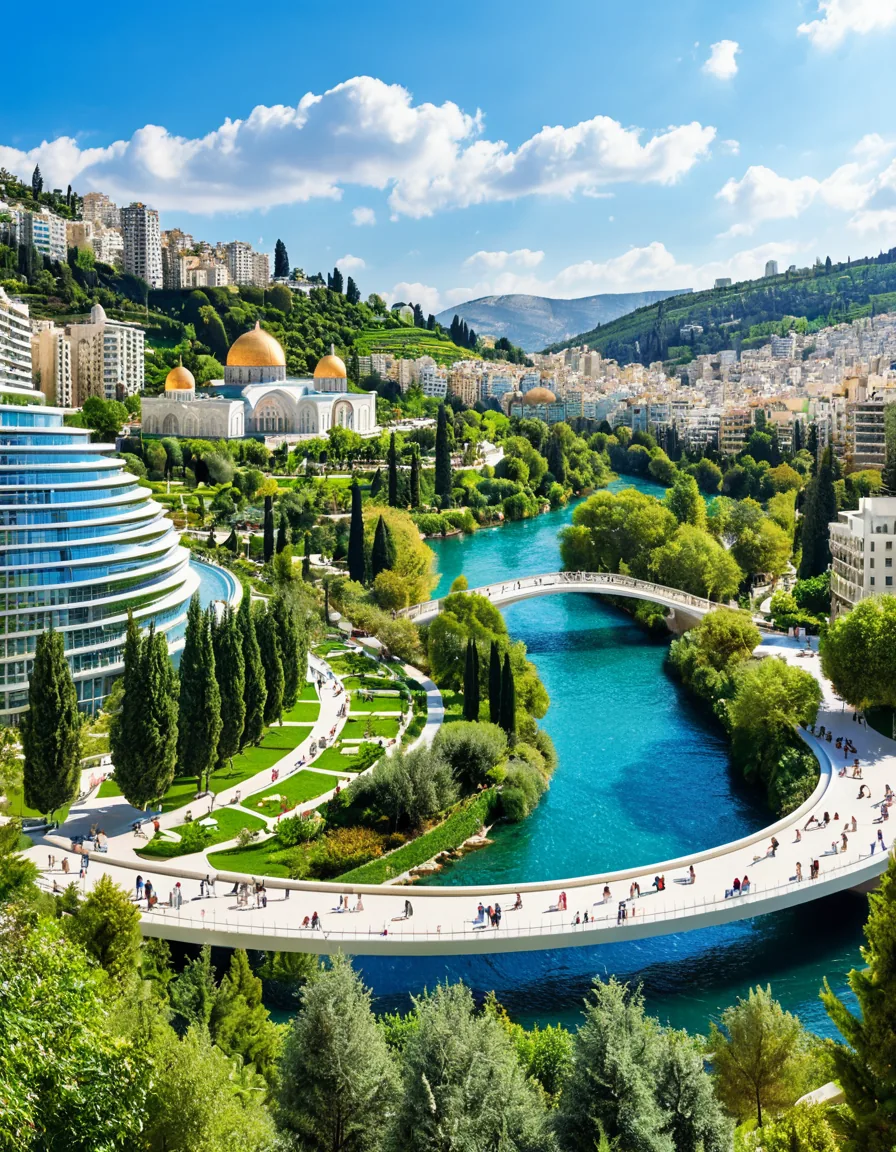
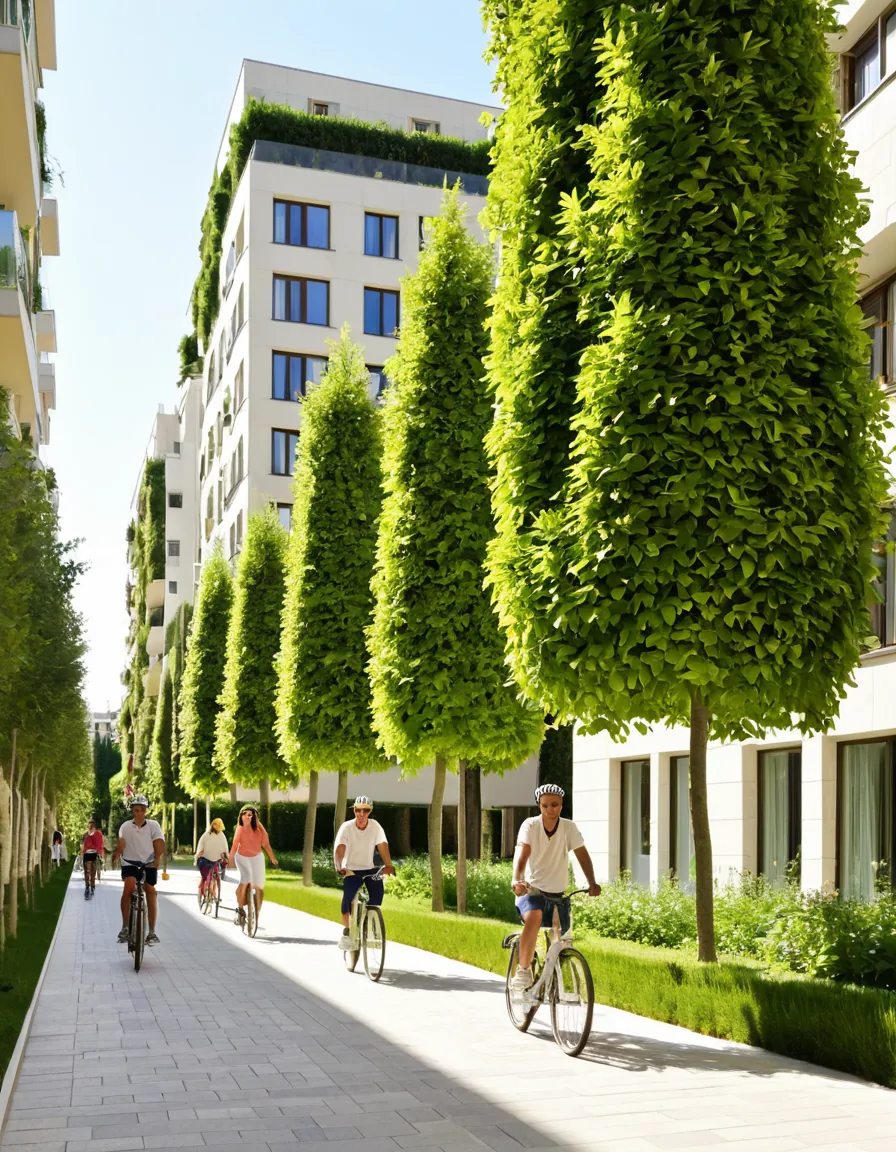
Urban ecology — rivers, parks, and walkways designed for gathering, not consumption
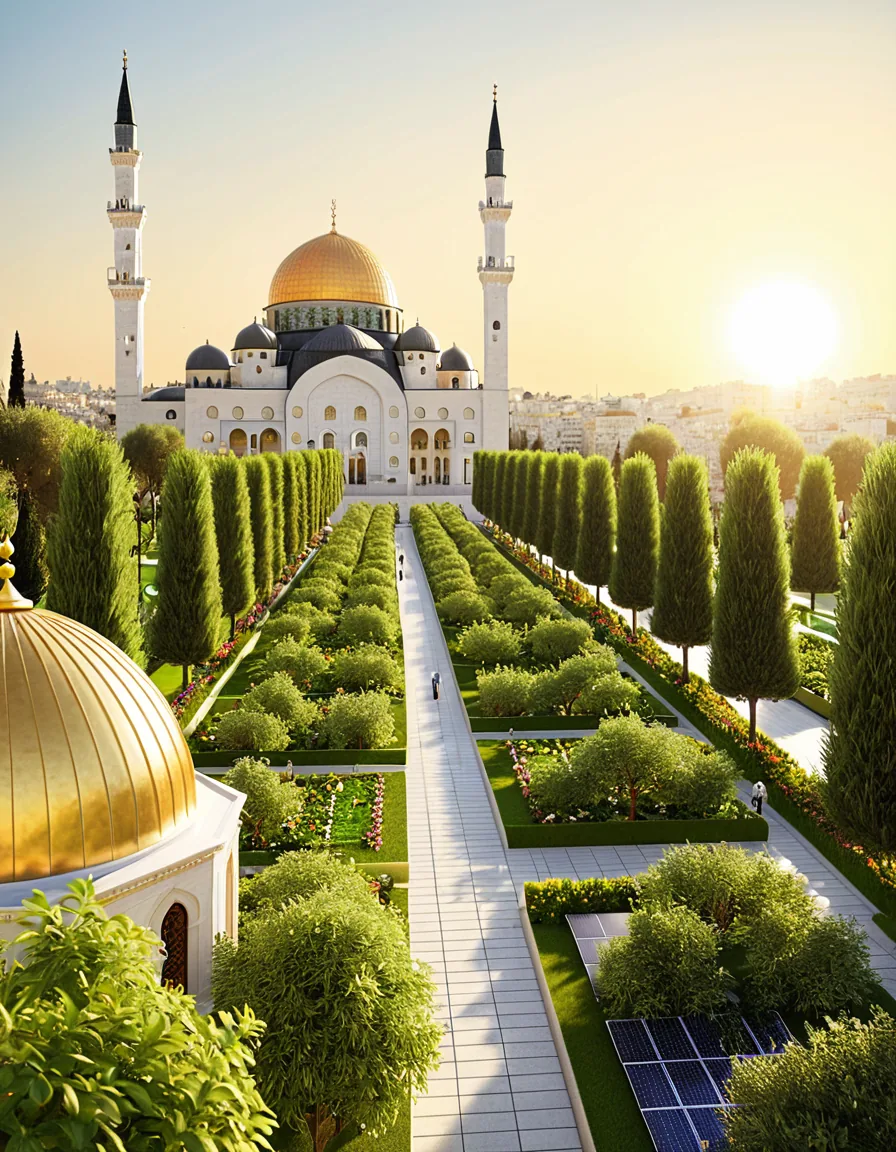
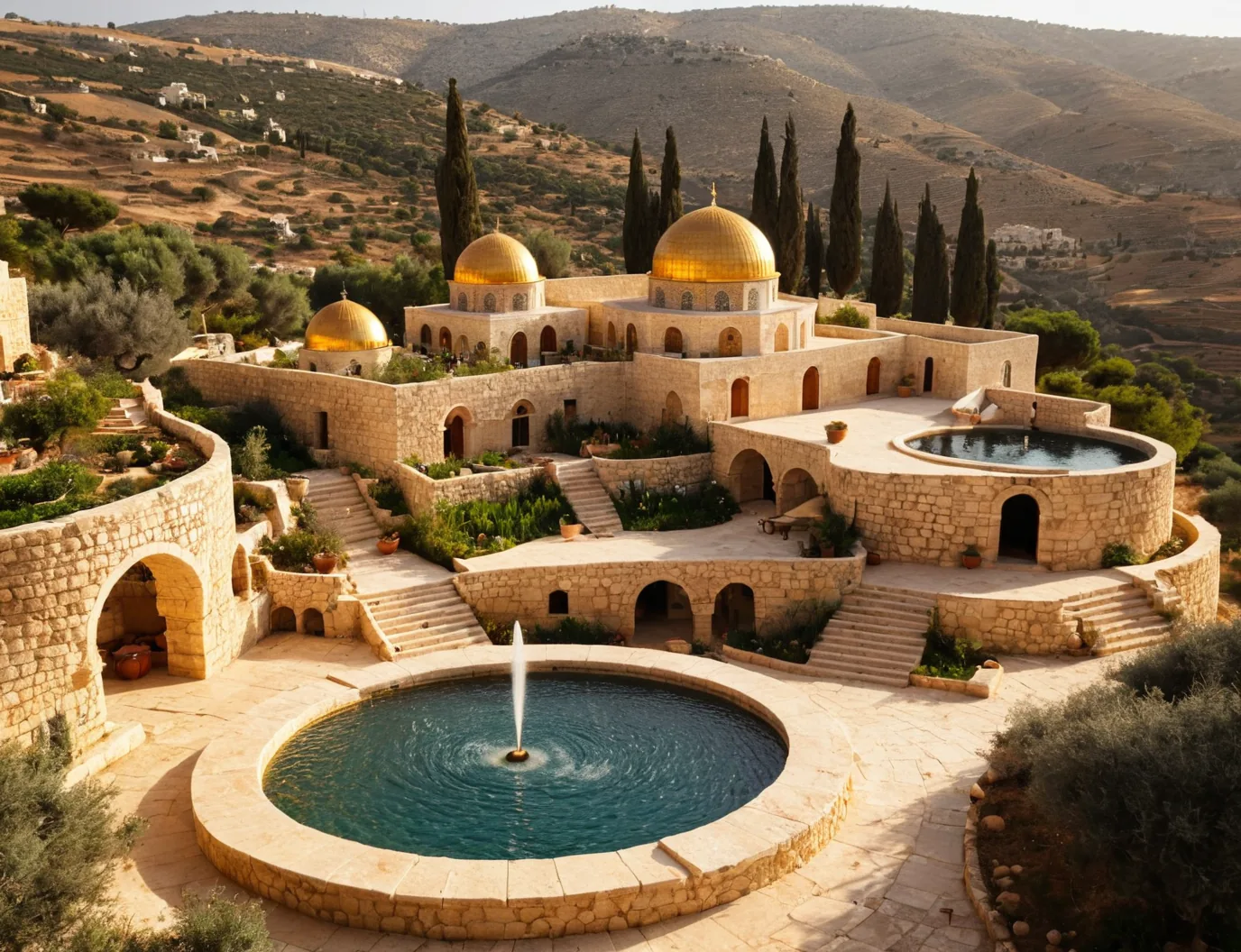
Sacred spaces rooted in the land — gardens, solar, and centuries-old architecture
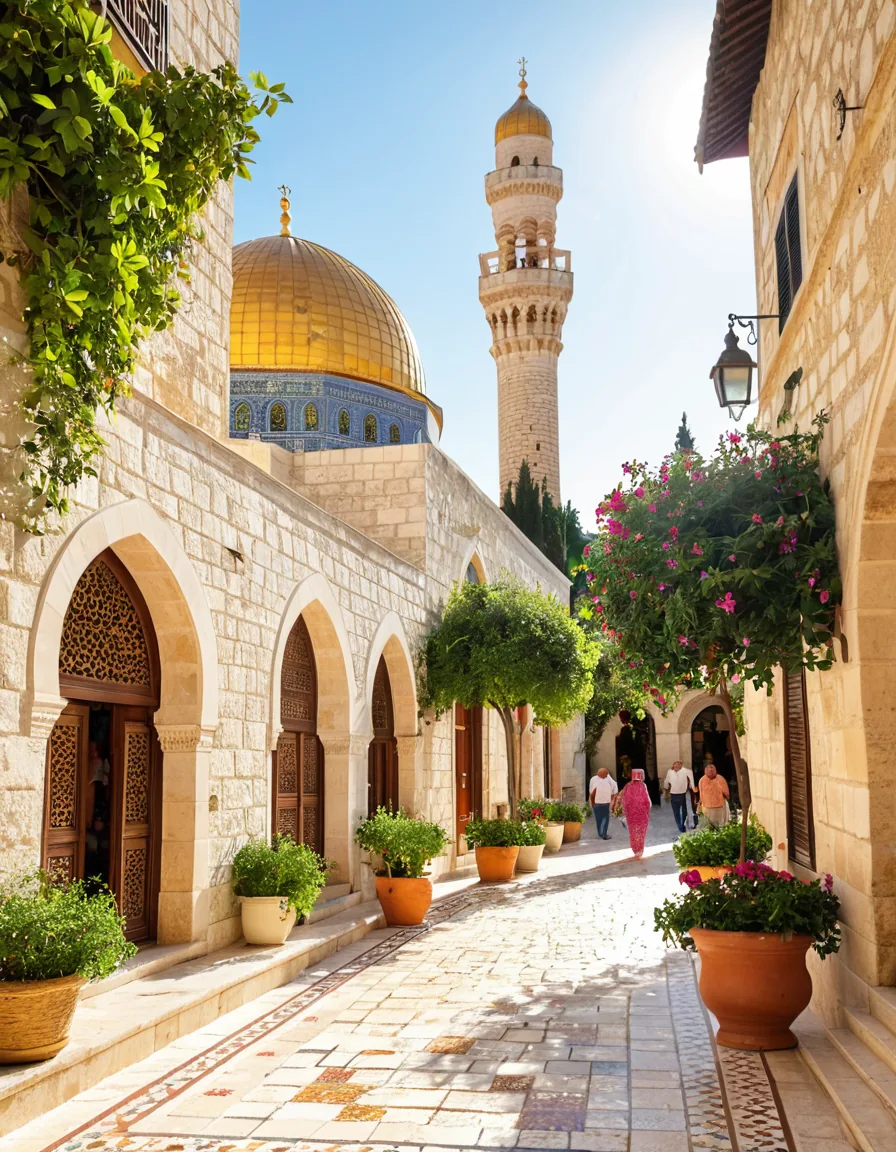
Streets built for people — stone, light, and the rhythm of community life
Healing infrastructure — water, stone, and olive groves on ancient hillsides
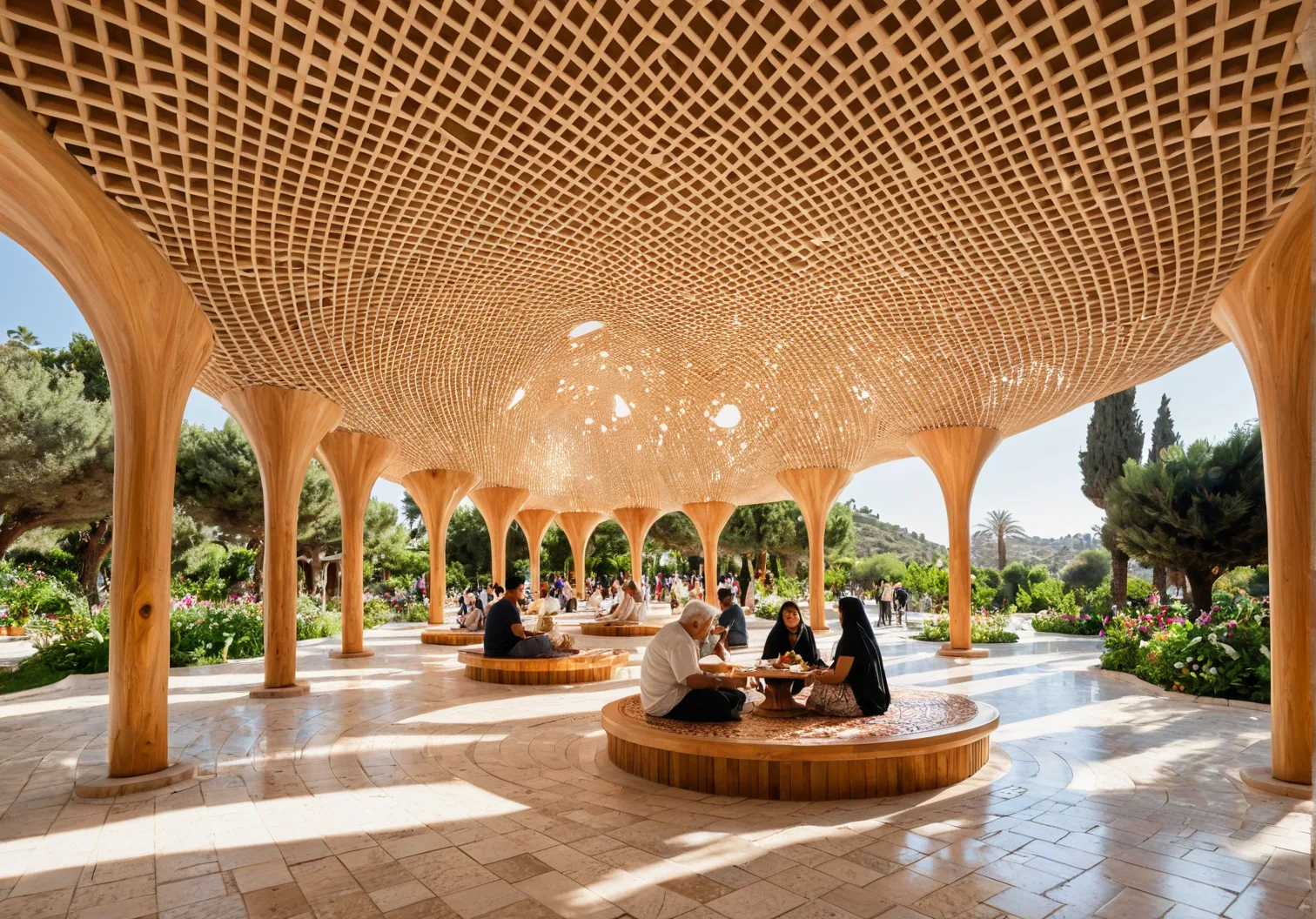
The gathering canopy — community space designed for storytelling and shared meals
Neighbourhoods for living — green walls, cycling paths, no cars
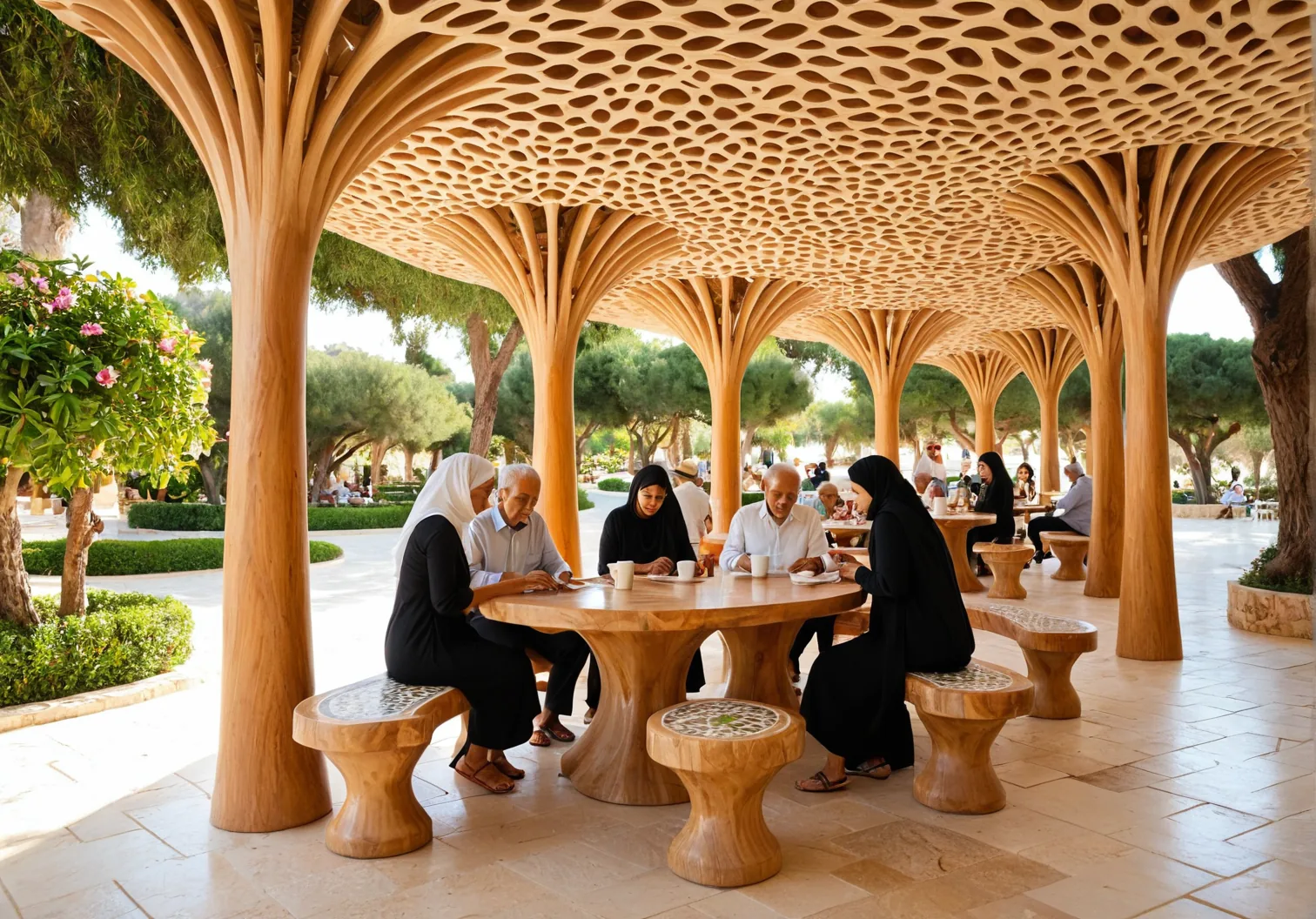
Organic architecture — shade structures grown from the land itself
AI-generated concept art establishing the visual language. Community contributions coming soon.
The meta-analysis discipline
Every existing country was built within frameworks of capitalism, colonial legacy, or debt-based economics. When people try to imagine "a better country," they almost always imagine a better version of an existing one. That is the trap.
Every voting option on this platform passes through a meta-analysis filter: Does this assume something that only exists because of the current global order? Does this framework carry invisible colonial DNA? Would this option make sense if we were designing a country from first principles?
"Should Palestine have a central bank?"
Reframed: "How should a community manage shared resources without creating concentrations of financial power?"
"Public hospitals or private hospitals?"
Reframed: "What does healing infrastructure look like when trauma recovery — not illness management — is the design constraint?"
"Parliamentary or presidential system?"
Reframed: "What does decision-making look like when every process is fully transparent and corruption is impossible by design?"
The First Question
The founding vote asks: what should we measure? Cast your teaser vote.
Founding Cycle — Question 1
What matters most when building a country from healing?
All options are genuinely good. No lesser evils. Choose the one that resonates.
What do you imagine?
The Imagination layer opens with the full platform. Propose utopian cities, governance schematics, ecological blueprints — hand-drawn, AI-generated, or architecturally rendered. The most resonant visions become voting questions. Your imagination shapes the country model.
Cities
Architecture embodying transparency
Governance
Decision flows with no dark corners
Ecology
Land healing at national scale
Sign up for launch notifications to be among the first to contribute.
This platform will outlive the documentary. This is where we start building.
Episode 5 asks what comes next. Afaq is where the answer gets built — collectively, transparently, one vote at a time. If we can imagine it, we can build it.